
How to Choose a Dispensing Pharmacy for Your Private Clinic
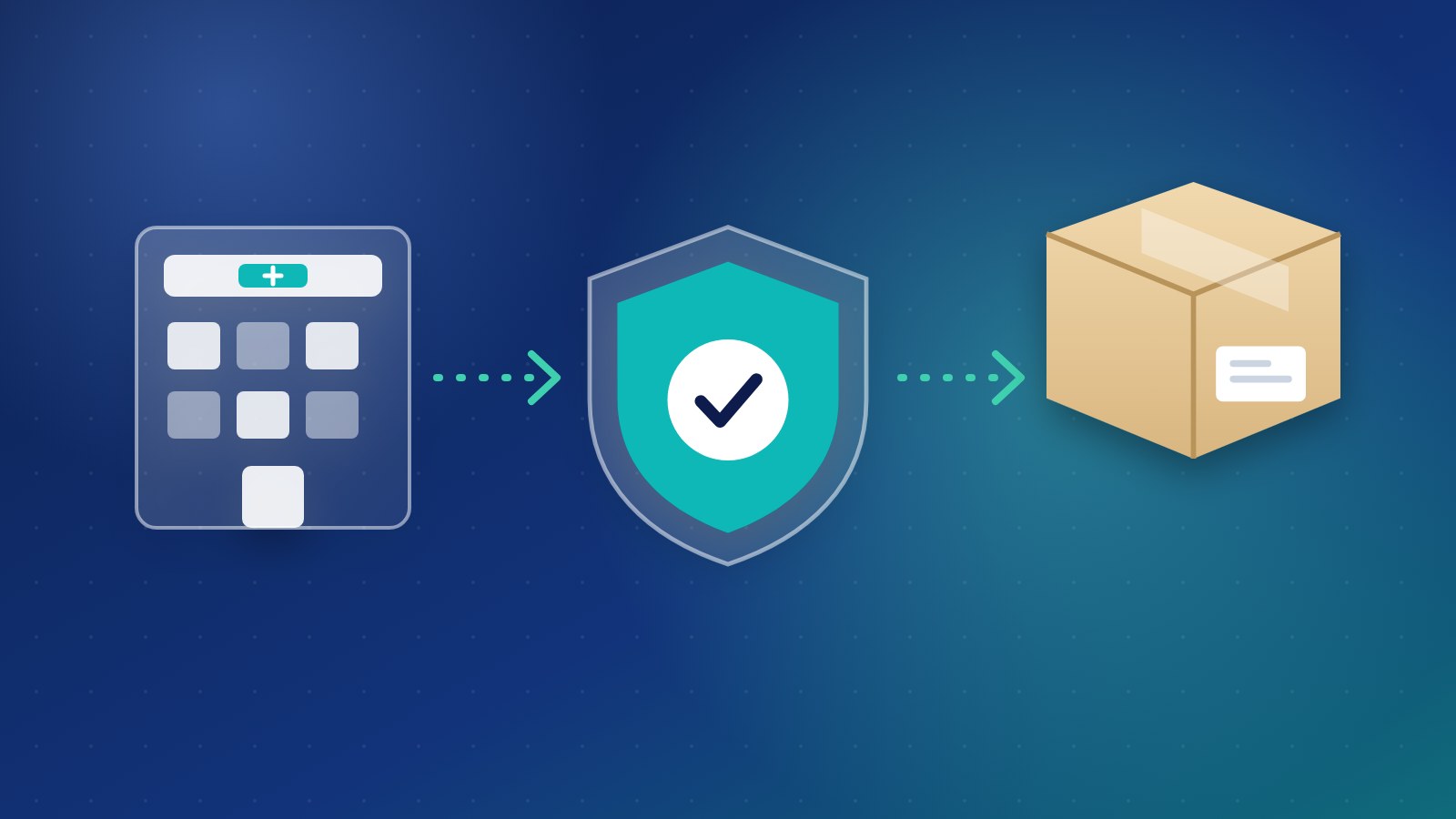
Your patients' care does not stop when you sign the prescription. It carries on in the days that follow, when a patient is waiting for medicine to arrive, or being told by a pharmacy that something is wrong with the paperwork.
For a private clinic, the dispensing pharmacy becomes part of your service, whether you planned it that way or not. A rejected prescription, an unclear stock update or a late parcel reaches your inbox as a complaint. Choosing the right pharmacy is a clinical, operational and reputational decision.
This guide is for clinics and prescribers. It covers how to choose a dispensing pharmacy, what a pharmacy needs to see on a private controlled-drug prescription, what to ask about electronic prescription integration, how to set up delivery for your patients, and what good pharmacy support looks like for a private ADHD clinic.
Quick answer: a good dispensing pharmacy for a private clinic is GPhC-registered, checks every prescription with a pharmacist, has experience with controlled drugs, communicates clearly about stock, delivers by tracked and discreet methods, and gives you one reliable point of contact. You prescribe. The pharmacy checks, dispenses and delivers.
What does a dispensing pharmacy do for a private clinic?
A dispensing pharmacy receives a valid prescription from you, checks it meets legal and safety requirements, supplies the medicine and gets it to the patient. It does not assess the patient, diagnose or decide treatment. Those stay with you.
| Role | Who does it |
|---|---|
| Assessment, diagnosis and testing | Your clinic or prescriber |
| Choosing the medicine, dose and monitoring | Your prescriber |
| Checking the prescription, dispensing and delivery | The dispensing pharmacy |
| Advice on use, storage and delivery | The dispensing pharmacy |
| Follow-up, titration and review | Your prescriber |
This split matters for your governance. When it is clear, patients know who to ask about what, and both sides can work without overlapping.
How do you choose a dispensing pharmacy for your private clinic?
Start with the things you can check. Then ask about the things that decide how smooth the service will feel to your patients.
| What to check | Why it matters |
|---|---|
| GPhC registration of the premises | Confirms the pharmacy is legally registered. You can look it up on the GPhC register. |
| A named Superintendent Pharmacist | Shows who is responsible for the pharmacy's standards. |
| Pharmacist checks on every prescription | Catches errors before the medicine leaves the building. |
| Controlled-drug experience | Schedule 2 and 4 prescriptions have strict rules, and mistakes cause delays. |
| Stock communication | You and your patients need to know early if a medicine is short. |
| Tracked, discreet delivery | Patients expect privacy, and you need to see where a parcel is. |
| A direct contact for clinics | You should reach a person, not a general inbox. |
| Clear pricing | Patients should know the cost before it is dispensed. |
| Patient support | Patients will have questions about use and storage. |
| Data protection | Prescriptions contain personal health information. |
Ask for the answers in writing where you can. A pharmacy that works well with clinics will be glad to explain how it works.
Questions worth asking before you partner with a pharmacy
- Is the pharmacy registered with the GPhC, and what is the premises registration number?
- Who is the Superintendent Pharmacist?
- Who checks each prescription, and what happens if there is a query?
- How does the pharmacy handle controlled-drug prescriptions?
- How will you hear about stock problems, and how quickly?
- What delivery options and tracking are available?
- Who do you contact if a patient has a problem?
- What do patients pay, and when do they find out?
- How is patient data stored and shared?
What does a pharmacy need to see on a private controlled-drug prescription?
Controlled-drug prescriptions have stricter rules than ordinary ones, and they are the most common reason private prescriptions are queried or rejected. Getting them right at the point of prescribing saves your patient days.
Schedule 2 controlled drugs include the stimulant ADHD medicines lisdexamfetamine and methylphenidate. A pharmacy needs to see the following on the prescription:
- The patient's name and address.
- The medicine name, strength and form.
- The dose. "As directed" is not enough.
- The total quantity, in words and figures.
- The date.
- Your address and signature.
Other points to build into your process:
- Validity: prescriptions for Schedule 2, 3 and 4 controlled drugs are valid for 28 days from the appropriate date, which is usually the date you sign it.
- Quantity: supply should be limited to 30 days. This is a strong recommendation, not a legal limit.
- Form: in England, private Schedule 2 and 3 prescriptions must be on form FP10PCD and include your six-digit prescriber identification number. Pharmacies should not dispense without it. Wales and Scotland use different forms.
- Repeats: Schedule 2 and 3 drugs cannot be prescribed on repeat dispensing prescriptions. Each supply needs a new prescription.
- Original copy: for private controlled-drug prescriptions, we need the original paper copy before we can dispense.
Schedule 4 Part II includes testosterone. These prescriptions are also valid for 28 days. Schedule 4 items can be repeat dispensed, as long as the first supply is made within 28 days.
The most common reasons controlled-drug prescriptions are rejected
- The dose is written as "as directed".
- The total quantity is missing in either words or figures.
- The prescription is on the wrong form, or the prescriber number is missing.
- The date is wrong, or the prescription is more than 28 days old when it reaches the pharmacy.
- The signature or prescriber address is missing.
- A repeat has been requested for a Schedule 2 drug.
A pharmacist will contact you if something is missing, and they cannot change the prescription for you. A short checklist inside your clinic software saves back-and-forth.
What should you ask about electronic prescription integration?
Many private clinics want prescriptions to reach the pharmacy without printing, scanning or posting. What is possible depends on the medicine, the prescribing system and the pharmacy's own setup, and controlled drugs have specific paper rules, so one route may not suit every medicine.
Questions to ask a pharmacy:
- Which prescribing platforms or formats does it accept?
- Does electronic sending cover controlled drugs, or only some medicines?
- If paper is still needed for some prescriptions, how is it sent and tracked?
- Can you see the status of each prescription, such as received, checked, dispensed and dispatched?
- Who is notified if there is a query, and how?
- How are patient details protected in transit and at rest?
Pharmazon HomeCare lists Gowello Rx among its solutions for clinics. Ask our team how it can work with your clinic's setup.
How do you set up prescription delivery for your patients?
Setting up delivery is mostly about agreeing the journey in advance, so you and the pharmacy do not improvise when a patient asks where their medicine is.
A simple set-up process
- Agree who sends what. Decide whether you send prescriptions to the pharmacy directly or the patient does.
- Agree a contact. Name one person at your clinic and one at the pharmacy for queries.
- Agree what patients are told. Give patients the same explanation of the process each time, including that the pharmacy confirms the price before dispensing.
- Agree delivery and collection. Pharmazon HomeCare offers same-day delivery in London and next-day delivery across the UK, subject to eligibility, and a prescription collection service for patients who prefer to collect in person.
- Agree how problems are handled. For example, a missing detail on a prescription, a stock shortage or a delivery that does not arrive.
- Test with one patient. Send a sample prescription through before you roll the process out.
What patients should expect
- A pharmacist checks the prescription before it is dispensed.
- The patient is told the price before payment.
- The parcel arrives in plain, unbranded packaging with tracking.
- Someone is available to answer questions about the medicine.
A pharmacy cannot guarantee stock or delivery times for every medicine. Be wary of any partner that promises both without conditions.
What does good pharmacy support look like for a private ADHD clinic?
ADHD is where pharmacy and clinic need to work most closely, because the medicines are controlled, supply can be tight and patients are often managing complicated routines.
Good support looks like this:
- Clear controlled-drug handling. The pharmacy explains the rules above and flags problems early, rather than rejecting a prescription without explanation.
- Respect for the prescribed brand. Brands of the same medicine can behave differently, so a pharmacy should not swap brands without your agreement.
- Honest stock updates. Stock shortages happen. A good pharmacy tells you quickly and asks what you want to do, rather than offering a substitute on its own. It does not promise stock it does not have.
- Repeat supply that works. Because Schedule 2 drugs cannot be repeat dispensed, you and the pharmacy need an agreed routine so patients do not run out.
- Pharmacist input on practical questions. Patients ask about timing, storage and side effects, and a pharmacist can answer within their role. Medicine changes and dose changes go back to you.
- A named contact. A real person who knows your clinic.
NICE guideline NG87 sets out the recommended order of ADHD medicines, and the choice and monitoring remain yours. A dispensing pharmacy supports that decision. It does not replace it. You can read more on our pages for ADHD prescription processing for clinics and ADHD pharmacy support for clinics.
How does Pharmazon HomeCare work with private clinics?
Pharmazon HomeCare is a GPhC-registered pharmacy in the Harley Street Medical Area. It dispenses prescriptions issued by clinics and prescribers and delivers them to patients.
- Registration: London premises 9012756 and High Wycombe premises 9011805, operated by Excelsior Health Ltd.
- Superintendent Pharmacist: Mohammed Abou Daya (GPhC 2083143).
- Pharmacist with a specialist interest in ADHD: Archna Gudka (GPhC 2059368).
- Process: prescription received, clinical and legal checks, dispensing, accuracy checks, dispatch, then patient delivery and support.
- Delivery: same-day in London and next-day UK-wide, subject to eligibility.
- Collection: a prescription collection service is available.
Choosing the right partner
The right dispensing pharmacy makes your clinic look organised. The wrong one makes you the person patients call when something goes wrong. Before you commit, ask the questions above, test the process with a sample prescription and agree who to call.
If you are reviewing pharmacies for your clinic, we are happy to talk it through. Our pharmacy team will explain how we work with prescribers.
Frequently asked questions
What is a dispensing pharmacy?
A dispensing pharmacy receives a valid prescription, checks it meets legal and safety requirements, supplies the medicine and gets it to the patient. It does not diagnose or prescribe.
Can a private clinic use any pharmacy?
Patients can usually choose where a private prescription is dispensed. Clinics often agree a preferred pharmacy so prescriptions, queries and delivery follow a known process.
What does a pharmacy need on a private Schedule 2 prescription?
The patient's name and address, the medicine, strength and form, a specific dose, the total quantity in words and figures, the date, and the prescriber's address and signature. In England, private Schedule 2 and 3 prescriptions use form FP10PCD with the prescriber's identification number.
How long is a private controlled-drug prescription valid?
Prescriptions for Schedule 2, 3 and 4 controlled drugs are valid for 28 days from the appropriate date.
Can controlled drugs be repeat dispensed?
Schedule 2 and 3 drugs cannot. Schedule 4 items can be, as long as the first supply is made within 28 days.
Can prescriptions be sent electronically?
It depends on the medicine, the prescribing system and the pharmacy. Controlled drugs have specific paper rules, so ask the pharmacy what it accepts for each type of medicine.
Can a pharmacy guarantee stock?
No. Stock changes, and a trustworthy pharmacy will tell you early if a medicine is short, then ask you how to proceed.
Can a pharmacy change the brand I prescribed?
Not without your agreement. Brands of the same medicine can differ, so any change should come back to you.
How is delivery handled for patients?
Pharmazon HomeCare delivers by tracked, discreet delivery, with same-day London and next-day UK-wide options, subject to eligibility.
Can patients collect in person?
Yes. Pharmazon HomeCare has a prescription collection service for patients who prefer to collect.
How do I become a clinic partner?
Use the enquiry form on our contact page, choose "Healthcare Professional" and select "New Clinic Enquiry", or visit our clinicians page.