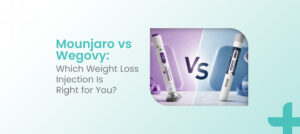


In the world of weight loss, GLP-1 injections like Wegovy (Semaglutide) and Mounjaro (Tirzepatide) have revolutionized how we approach treatment. These medications are clinically proven, require prescriptions, and are regulated to ensure patient safety.
However, a new trend is emerging: GLP-1 patches. Often marketed as a cheaper and easier alternative, these patches are creating waves on social media. But do they truly measure up to the effectiveness of GLP-1 injections? Let’s explore.
What Are GLP-1 Patches?
GLP-1 patches are topical supplements that claim to mimic the benefits of GLP-1 injections. These adhesive patches typically contain natural ingredients such as:
- Berberine
- Green tea extract
- Cinnamon and mint
- Pomegranate extract
- Various vitamins
The idea is that these ingredients absorb through the skin, potentially supporting weight loss by boosting metabolism and reducing appetite.
However, unlike GLP-1 injections, these patches do not contain any GLP-1 hormones or active ingredients. Their name is purely a marketing hook.
Do GLP-1 Patches Work?
Unfortunately, there’s little to no clinical evidence that GLP-1 patches work for weight loss. The key ingredient in many patches, berberine, is believed to stimulate the body’s natural GLP-1 hormone. While berberine has shown some promise in managing type 2 diabetes and weight loss, its effectiveness is limited due to poor absorption in the intestines.
Additionally, berberine and other patch ingredients can cause side effects such as:
- Upset stomach
- Diarrhea
- Constipation
- Excess gas
The severity and duration of these side effects are uncertain, unlike GLP-1 injections, whose side effects are well-documented and tend to stabilize over time.
How GLP-1 Patches Mislead Consumers
The growing popularity of GLP-1 patches has sparked significant concern, primarily because of misleading marketing tactics. These patches are often promoted as:
- A cheaper alternative to injections.
- Equally effective as GLP-1 treatments.
- A solution without needing prescriptions.
Social media influencers often reinforce these claims, but in reality:
- No GLP-1 content: The patches do not contain GLP-1 hormones.
- No clinical approval: These patches lack the rigorous testing and regulation of GLP-1 injections.
- Limited effectiveness: Natural ingredients cannot replicate the transformative effects of GLP-1 injections.
Risks of Switching from GLP-1 Injections to Patches
Switching from clinically approved injections to unverified patches can lead to several setbacks:
- Loss of progress: Users may regain weight and need to restart injections from scratch.
- Time-sensitive dosing: A gap in treatment requires starting at the lowest dose again, increasing the time to reach therapeutic levels.
- Safety concerns: The safety profile of these patches is not well-studied.
Why Choose GLP-1 Injections?
For those who meet the eligibility criteria, GLP-1 injections remain the most reliable option for weight loss. They are:
- Clinically proven to help individuals lose up to 25% of body weight in one year.
- Regulated and safe, with side effects that are monitored and managed.
- Effective for eligible candidates, such as individuals with a BMI of 30+ or 27+ with a weight-related condition like high blood pressure.
If cost or eligibility is a concern, always consult a GP or healthcare professional before switching treatments.
The Final Verdict
While the idea of weight loss patches may seem appealing, they fall short of delivering the transformative results of GLP-1 injections. Misleading marketing preys on consumers’ trust, making it essential to rely on clinically proven treatments for safe and effective weight loss.
When in doubt, trust the science, not the hype.